
The following article was originally published by Tess Pennington at Ready Nutrition. Tess is the author of the widely popular and highly acclaimed book The Prepper’s Blueprint: The Step-By-Step Guide To Help You Through Any Disaster.


Since April 2015, eleven cases of plague have been recorded in the U.S., and three people have died leaving the CDC no other recourse but to issue a warning to alert doctors of potential cases that may arise.
There is a “Heightened Risk”
“It is unclear why the number of cases in 2015 is higher than usual,” the Centers for Disease Control and Prevention says. Many of the cases are occurring in rural and semi-rural areas in the western United States. The report lists two cases in Arizona, one in California, four in Colorado, one in Georgia, two in New Mexico and one in Oregon. The cases in California and Georgia have been linked to areas in or near Yosemite National Park in the southern Sierra Nevada. Dr. Natalie Kwit of the CDC emphasizes, “We don’t want people to panic but we do want them to be aware of the heightened risk.”
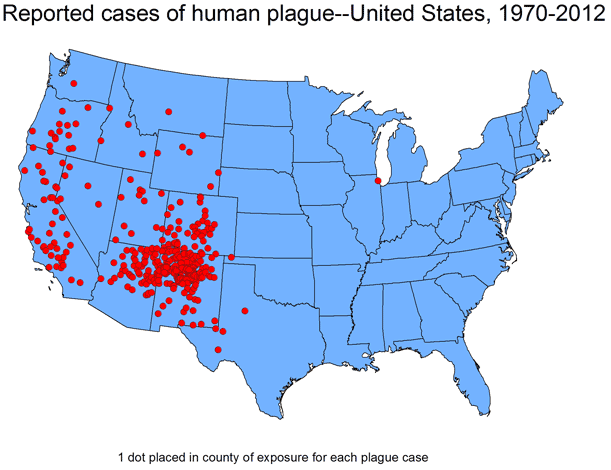
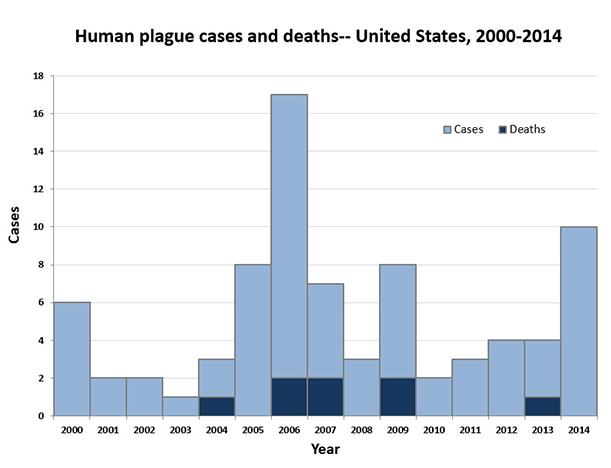
The CDC has recorded 1006 confirmed or probable human plague cases occurred in the United States between 1900 and 2012. Over 80% of United States plague cases have been the bubonic form. The plague is a rare and dangerous disease caused by the bacterium, Yersinia pestis and passed from humans by infected fleas and rodents typically in the wild. Many may remember how the Black Death killed around 30–60 percent of the population in Europe. These days, the bacteria is typically treated with antibiotics. With many antibiotic resistance strains of bacterias occurring, this begs the question. Will this plague rampantly spread like it once did?
Types of Plague to Look Out For
“Health care providers should consider the diagnosis of plague in any patient with compatible signs or symptoms, residence or travel in the western United States, and recent proximity to rodent habitats or direct contact with rodents or ill domestic animals,” the CDC says in its report.
Although the bubonic plague is the most common form that occurs in the United States, there are three types of the plague to be aware of.
Bubonic plague: Patients develop sudden onset of fever, headache, chills, and weakness and one or more swollen, tender and painful lymph nodes (called buboes). This form usually results from the bite of an infected flea. The bacteria multiply in the lymph node closest to where the bacteria entered the human body. If the patient is not treated with the appropriate antibiotics, the bacteria can spread to other parts of the body.
Septicemic plague: Patients develop fever, chills, extreme weakness, abdominal pain, shock, and possibly bleeding into the skin and other organs. Skin and other tissues may turn black and die, especially on fingers, toes, and the nose. Septicemic plague can occur as the first symptom of plague, or may develop from untreated bubonic plague. This form results from bites of infected fleas or from handling an infected animal.
Pneumonic plague: Patients develop fever, headache, weakness, and a rapidly developing pneumonia with shortness of breath, chest pain, cough, and sometimes bloody or watery mucous. Pneumonic plague may develop from inhaling infectious droplets or may develop from untreated bubonic or septicemic plague after the bacteria spread to the lungs. The pneumonia may cause respiratory failure and shock. Pneumonic plague is the most serious form of the disease and is the only form of plague that can be spread from person to person (by infectious droplets).
How to Prevent the Bubonic Plague
Although the government is closely monitoring the situation, California is actually mapping where the plague is occurring in the state. It is important to note that there is no vaccination of this illness. In the past, many relied on four thieves oil to naturally protect them from this disease, however prevention is the best recourse.
Follow these tips from the CDC:
- Reduce rodent habitat around your home, work place, and recreational areas. Remove brush, rock piles, junk, cluttered firewood, and possible rodent food supplies, such as pet and wild animal food. Make your home and outbuildings rodent-proof.
- Wear gloves if you are handling or skinning potentially infected animals to prevent contact between your skin and the plague bacteria. Contact your local health department if you have questions about disposal of dead animals.
- Use repellent if you think you could be exposed to rodent fleas during activities such as camping, hiking, or working outdoors. Products containing DEET can be applied to the skin as well as clothing and products containing permethrin can be applied to clothing (always follow instructions on the label).
- Keep fleas off of your pets by applying flea control products. Animals that roam freely are more likely to come in contact with plague infected animals or fleas and could bring them into homes. If your pet becomes sick, seek care from a veterinarian as soon as possible.
- Do not allow dogs or cats that roam free in endemic areas to sleep on your bed.
- Remove garbage, clutter, brush and anything that could be a food source for rodents.
How to Prepare for These Type of Diseases
Although the bubonic plague is a relatively rare occurrence, it only emphasizes the need to be prepared. Ensure that you have these items on hand in order to prepare for pandemic-like disasters.
- One month supply of emergency foods that require no refrigeration.
- Store 1 gallon of water per person per day, in clean plastic containers. Avoid using containers that will decompose or break, such as milk cartons or glass bottles.
- Gas mask
- Plastic sheeting
- 2-3 small wastebasket or a bucket lined with a plastic garbage bag (to dispose of clothing, soiled supplies, etc.)
- Gallon-sized zip-loc bags
- Portable toilet with disposable liners
- Supply of non-prescription drugs and pain relievers
- Cold medicines and decongestants
- Stomach remedies
- Duct tape
- Anti-diarrheal medication
- Essential oils
- Vitamins that have immune boosting enhancers
- Fluids with electrolytes
- Bleach or disinfectant
- Soap
- Tissues
- Garbage bags to collect soiled clothing and bedding before they are washed.
- A thermometer
- Protective eye gear and/or faceshield
- Tychem protective suit and shoe covers
- Disposable cleaning gloves (in quantity)
- Hand wipes
- Alcohol-based hand sanitizers or homemade hand sanitizer supplies
- Protective clothing
- Disposable aprons or smocks (at least 2 cases)
- Duct tape
for sealing off doorways and vents
- Disposable nitrile gloves
(2-3 boxes)
- Garbage bags
- N95 masks
or N100 respirator masks for use when the sick person is coughing or sneezing (can be purchased at hardware stores and some drugstores)


Tess Pennington is the author of The Prepper’s Blueprint, a comprehensive guide that uses real-life scenarios to help you prepare for any disaster. Because a crisis rarely stops with a triggering event the aftermath can spiral, having the capacity to cripple our normal ways of life. The well-rounded, multi-layered approach outlined in the Blueprint helps you make sense of a wide array of preparedness concepts through easily digestible action items and supply lists.
Tess is also the author of the highly rated Prepper’s Cookbook, which helps you to create a plan for stocking, organizing and maintaining a proper emergency food supply and includes over 300 recipes for nutritious, delicious, life-saving meals.
Visit her web site at ReadyNutrition.com for an extensive compilation of free information on preparedness, homesteading, and healthy living.
Also From Tess Pennington:
Free Web Series: 52 Weeks to Preparedness: An Emergency Preparedness Plan For Surviving Virtually Any Disaster







0 Comments