
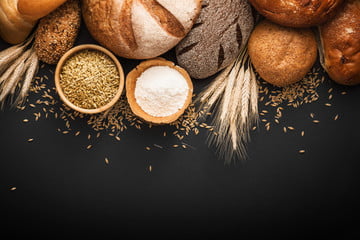
Grocery shelves across the country have been wiped clean of yeast and flour as Americans stuck at home take to baking their own bread during lockdowns. But using this prepper hack, you won’t ever need yeast to bake bread again, so shortages won’t matter!
Tess Pennington, the owner of Ready Nutrition and author of The Prepper’s Blueprint: The Step-By-Step Guide To Help You Through Any Disaster
Simple Prepper Hacks To AVOID Getting The Flu


Bakers get better results with their breadmaking when using boiled potato water than they do when they use activated yeast bought from the grocery store. These are the advantages to using a potato starter:
1. Quicker Rise: Potatoes contain potassium which causes the yeast to rise faster than it would with breads that contain only wheat.
2. Light Crumb: When you boil potatoes, it enlarges the starch molecules. This makes it difficult for the proteins in the flour to form gluten (the enemy of light, airy bread, and pastry).
3. Moist Texture: Potato starches absorb more water than wheat starches, leading to a moist texture.
4. Longer-Shelf Life: The bread will stay soft for days thanks to the potato starch molecules’ ability to keep wheat starches from getting stale.
You Will Never Have To Use Yeast Again When Bread Making With This Old School Trick
This recipe does require a small amount of yeast, however, you can click here for a starter recipe that is totally yeast-free. All you need to make your sourdough starter is flour, water, and a container large enough to hold 2 quarts to keep it in.
Overnight Sourdough Bread Starter
- 2 potatoes, unpeeled (about the size of a large hen egg)
- 2 cups potato water
- 1 Tbsp. sugar
- 1 Tbsp. yeast
- 1 cup bread flour
- Boil potato, save potato water (unsalted).
- In a mixing bowl, add cooled potato water, sugar, yeast, and flour.
- Cover with a kitchen towel and allow the mixture to sit overnight.
- Put the mixture in a wide mouth jar and cover loosely–never use a tight-fitting lid. In about five or six days it should be ready.
- Feed starter regularly. Each time you remove a portion of the starter for a recipe, reserve at least 1/4 cup and replace the amount you have taken out with equal amounts of flour and water. I normally feed my starter 1 cup flour and 1 cup filtered water.
Once your starter has been established, its time to start baking some bread! This is my favorite bread recipe and it rises easily, has a crunchy crust, and the dough has great structure.
Basic Bread Recipe
- 1 cup bread starter
- 3 cups bread flour
- 1/2 – 1 cup water
- 2 teaspoons salt
- 1 tablespoon melted butter
- Grease bread pan and set aside.
- In a mixing bowl, add the starter and remaining ingredients and mix until combined. Note: Add water a little at a time until the consistency is right.
- Knead the dough for 5 to 10 minutes until the dough comes together. The trick is to coax the dough into a soft, smooth ball. When you begin to feel air in the mass, it’s approaching the right consistency.
- Add dough to bread pan and brush with melted butter.
- Allow bread to rise for 2-3 hours.
- Bake at 375 degrees F for 40 minutes or until bread is golden brown on top.
If you do not plan to use your bread starter, simply store it in the refrigerator. The cold temperature of the refrigerator will cause the starter to go dormant and can be left for up to three months in the fridge. When you are ready to use your refrigerated starter, take it out of the fridge and allow it to come to room temperature before use.








0 Comments